Commercial Waste Removal in Seven Kings
Commercial waste removal in Seven Kings needs to be orderly, practical and suited to the way local businesses work. We collect and clear mixed waste from offices, shops, workshops and other commercial premises, helping customers keep spaces usable without letting rubbish build up around day-to-day operations. The service is centred on responsible loading, sorting and disposal, with a clear focus on the items and volumes that arise in normal business settings.
Our work can include general office rubbish, unwanted fixtures, packaging, archive material for disposal, and bulky items that need careful lifting. Where waste streams are separated, we can make that easier to manage by keeping recyclable materials distinct from general refuse. Commercial waste removal is most useful when it is planned around access, timings and the type of material present, so the collection can be completed with as little disruption as possible.
If you need a straightforward quotation, the best starting point is to outline the material, the access arrangements and the preferred timing. Tell us what needs clearing and we can shape the collection around the work rather than forcing the job into a fixed pattern.
Business waste collections for everyday operations
Business waste collections are often about keeping premises presentable and workable while routine activity continues. Offices may produce paper waste, packaging, broken chairs or redundant filing; retail premises may need regular clearances of cardboard, display waste and out-of-date stock packaging. We handle these kinds of loads as a commercial collection rather than as a one-size-fits-all service, because the material, access and handling requirements can vary considerably.
Some businesses need occasional larger clearances, while others want a more regular approach when stockrooms, back areas or workrooms begin to fill. The service can be arranged for single items, mixed waste, or broader clearances that include dismantled furniture and general rubbish. Business waste removal is a useful option when the work involves business premises rather than domestic clearance, and it can help keep the job aligned with the type of site involved.
- Office clearances for desks, chairs, paper waste and mixed non-sensitive items
- Shop and storage area clearances involving packaging, shelving and stock-room waste
- Bulky item removal where heavy lifting and controlled loading are needed
- Mixed commercial waste handling where recyclable and general material may be present
Office and workspace clearances

Office clearances are often needed when furniture becomes surplus, rooms are being reorganised or a workspace has accumulated too much unwanted equipment. We can remove desks, office chairs, cabinets, shelving, monitors and other non-sensitive items that no longer serve the premises. The aim is to leave the area ready for reuse, refitting or general tidy-up work, while keeping the collection process controlled and practical.
In a working environment, the sequence of removal matters. Some items may need to come out first to free access for larger pieces, while others can be grouped to make loading faster and tidier. Careful planning also helps when items are located on upper floors, in shared corridors or in rooms with limited turning space. Office clearance gives a clearer picture of how we approach these jobs when the site is mainly office-based, and it is helpful when the material is part of a broader workplace reset.
For best results, it helps to separate anything that is staying from anything that needs to go. A brief list of items, plus the floor level and loading access, is usually enough to shape the job properly. That keeps the enquiry practical and reduces the need for back-and-forth before collection.
Furniture, fixtures and bulky items
Commercial waste removal frequently includes furniture and other bulky objects that cannot simply be broken down into ordinary rubbish bags. These may be reception chairs, storage cabinets, desks, tables, counters, shelving units or worn fittings that have reached the end of their use. We can remove these items as part of a mixed clearance or as a focused furniture collection, depending on what the premises need.
When furniture is involved, handling is rarely just about lifting and loading. Materials may need separating, simple dismantling or careful movement through narrow exits without damaging walls, floors or fittings. Where a business is replacing furniture or emptying part of a premises, a well-organised sequence can save time and reduce clutter. Furniture disposal is useful if the main task is to remove dated or unwanted pieces from a commercial setting and move them into the right disposal route.
Useful preparation is usually limited to what supports the collection itself. That may mean identifying the pieces to be removed, checking whether they are assembled, and ensuring the route out of the building is clear enough for safe lifting. Simple access details are often more helpful than lengthy descriptions, because they let the collection be matched to the actual site conditions.
Clearances for offices, shops and shared premises
Many commercial clearances involve more than one type of waste in the same job. A small office above a shop, for example, might have broken furniture, archive boxes, packaging and a few awkward items stored in the back. In these situations, the service is most effective when the waste is handled in one organised visit rather than split into separate small jobs. That can help keep the premises clear and the remaining work easier to manage.
Where tenants are moving out, businesses are refurbishing, or a landlord needs a property cleared between occupants, we can work from a straightforward item list and build the removal around what is present on site. Flat clearance is not a commercial service page in name alone, but it can be relevant where business waste is located in a mixed-use or upper-floor property and the layout affects how the clearance must be approached. The practical point is the same: the service must fit the space and the material, not the other way round.
Commercial customers often benefit from noting anything unusually heavy, fragile or awkward before the collection is arranged. If there are restricted loading bays, shared entrances or time windows for access, those details should be included early so the job can be planned with fewer interruptions on the day.
Specialist items and handled waste streams

Some commercial waste is straightforward; other material needs a more specific disposal route. Fridges, appliances, mattresses, sofas and certain mixed wastes may require a separate assessment before collection, especially where size, weight or material composition makes handling more complex. We can include these items where appropriate, provided the collection is matched to the type of waste involved and the site conditions are clear.
When a business has a particular item type to clear, it is better to name it directly rather than describe everything as general rubbish. That helps determine whether the load is suitable for the same collection or whether it needs a more focused service. Fridge and appliance removal can be relevant where the waste includes powered or bulky white goods, while a separate item-led approach often works better than a broad description of office clutter.
For mattress or seating disposal, the space available for lifting and turning becomes important, as do any building restrictions that affect removal. The collection can be planned around those factors so that the work remains safe and efficient. If the item is part of a larger business clear-out, it can usually be grouped with the rest of the load rather than treated in isolation.
Waste handling for refurbishments and fit-outs
Refurbishment work often produces mixed waste in a short space of time: old furniture, removed shelving, packaging, broken fixtures and general site rubbish. Commercial waste removal in this context is about creating a workable clear-out stream while the project continues. That means understanding what will be coming out, how it is stacked or stored, and whether the premises still need to remain accessible during the works.
Where a business is changing layout, replacing interiors or emptying storage areas ahead of fit-out work, a planned clearance can make the site easier to hand over to the next stage. Builders waste clearance is a useful page to review when the material is more renovation-related, because construction debris and commercial refuse are not always handled in exactly the same way. Choosing the right route can keep the collection better aligned with the actual waste type.
The practical decisions usually concern two things: what is mixed together, and what must remain on site. Once those are clear, the clearance can be organised into manageable steps. That is often more efficient than trying to sort the waste after it has already spread across several rooms or floors.
About Seven Kings
Seven Kings is a district in the London Borough of Redbridge, in east London, with a long-established place along the main route between Ilford and the eastern suburbs. The name is commonly associated with Seven Kings station, which sits on the Great Eastern Main Line and forms part of the area’s everyday identity. Nearby roads, housing streets and local shopping stretches give the district a strongly urban character, while the railway continues to shape movement through the neighbourhood. The area includes a mix of residential streets and local centres, with parks and community facilities spread through the wider district. Seven Kings Park provides open space for recreation, and the locality connects naturally to surrounding parts of Ilford and neighbouring districts. Much of the built environment reflects the layered growth of suburban east London, where older streets, later infill and modernised properties sit alongside one another. The area’s character is practical rather than monumental, but it still has recognisable local landmarks and transport links that make it distinct. As with much of Redbridge, the district sits within a wider pattern of rail access, bus connections and everyday services, giving it the feel of a settled residential area with commercial activity concentrated along the main corridors and local centres.
Recycling, sorting and responsible disposal

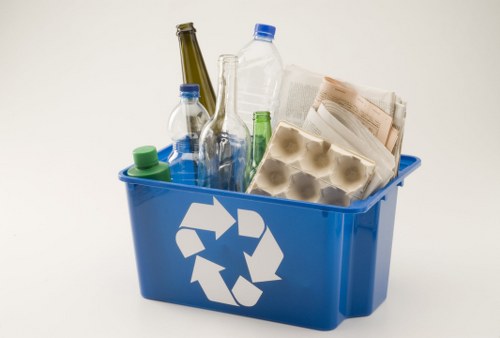
Responsible commercial waste removal is not only about taking items away; it is also about making sure they move through the correct next step. Depending on the material, that may involve separating recyclable packaging, identifying reusable items, or ensuring that mixed waste is handled in a way that suits its contents. We aim to keep the process sensible and proportionate to the load rather than treating every job as identical.
Businesses often produce a mixture of cardboard, paper, plastics, fixtures and general refuse, and each of those may need to be treated differently. The more clearly the waste is identified before collection, the easier it is to arrange the right handling path. Recycling and sustainability is relevant if you want to understand the disposal approach in more detail, especially when recyclable material makes up a meaningful part of the load.
It is also worth thinking about what should not be included in the same clearance. Certain waste types may need separate handling, and putting them together without checking first can slow the job down. If the collection contains unusual material, it is better to flag it early so the right route can be chosen from the outset.
Quotation details and collection planning
When you ask for a quotation, the most useful information is practical rather than lengthy. A short description of the items, an estimate of quantity, any stairs or restricted access, and whether the waste is ready for immediate loading can make the arrangement far easier. Photographs can help when the waste is awkward, spread across several rooms or difficult to describe clearly, but they are only one part of the picture.
If the job involves multiple spaces, it is often sensible to note which rooms or zones are included and whether anything needs to stay in place. That is especially useful for workplaces where staff still need access or where a premises is being handed over in stages. Pricing and quotes is the natural page to review if you want to understand how quotations are approached before you make contact, while the actual enquiry should still be based on the real waste and the actual site conditions.
Book a quotation when you are ready, and keep the request focused on the current job rather than the history of the premises. A direct list of items, plus any access notes, usually gives the clearest basis for pricing and scheduling.
Commercial clearance options for different premises
Not every commercial site produces waste in the same pattern, so it helps to match the clearance to the premises type. A small office may need infrequent furniture and paper disposal, while a workshop might generate heavier offcuts, packaging and stored scrap. Retail units often create a mix of display materials, shelving and packing waste. The service can be adapted to fit those different patterns without trying to force them into one generic collection style.
Where the premises are being emptied fully, a broader property clearance can be more efficient than several separate visits. In contrast, where only a few bulky items need removing, it may make sense to keep the job lean and targeted. Home clearance is listed here because the logistics of a full-space emptying job can be similar, but the commercial context still needs its own arrangement and should not be treated as a domestic job by default.
If the waste is building up in a back room, basement or store area, it is usually best to deal with it before it begins to restrict day-to-day operations. A well-timed collection can keep circulation routes usable and make the premises easier to manage for the staff who rely on them.
Further commercial services and site-specific waste
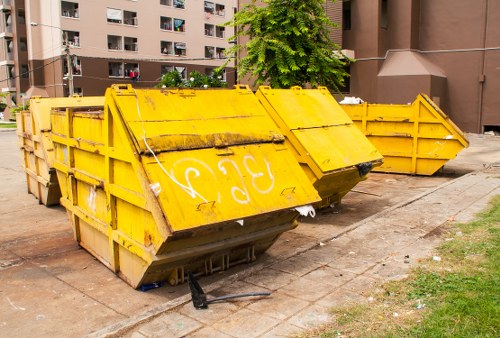
Some commercial premises need a combination of services rather than one narrow collection. A site might require office waste removal, a furniture clear-out, and a separate approach to storage items or redundant equipment. We can shape the job around those different waste groups where the material and access allow it, which is often more practical than arranging several unrelated visits.
For premises with specialist items, it is sensible to identify those pieces separately from the start. Confidential papers, fixed appliances, or mixed hard materials may each need different handling. Confidential shredding is relevant where document disposal matters, while wider commercial waste can be grouped and cleared alongside the main load if the contents are suitable and properly described.
If you are ready to move forward, a plain-text enquiry is enough to begin. You can ask for a quote, describe the waste, and note the access details in one message, then choose the most suitable collection arrangement from there. Request a quotation today and we will help you plan the clearance around the actual premises and the actual waste.